How Often Should Your Roof Be Inspected?
Once a year, plus after every major storm. Here is the schedule that actually protects a Wilmington roof — and what inspections catch.
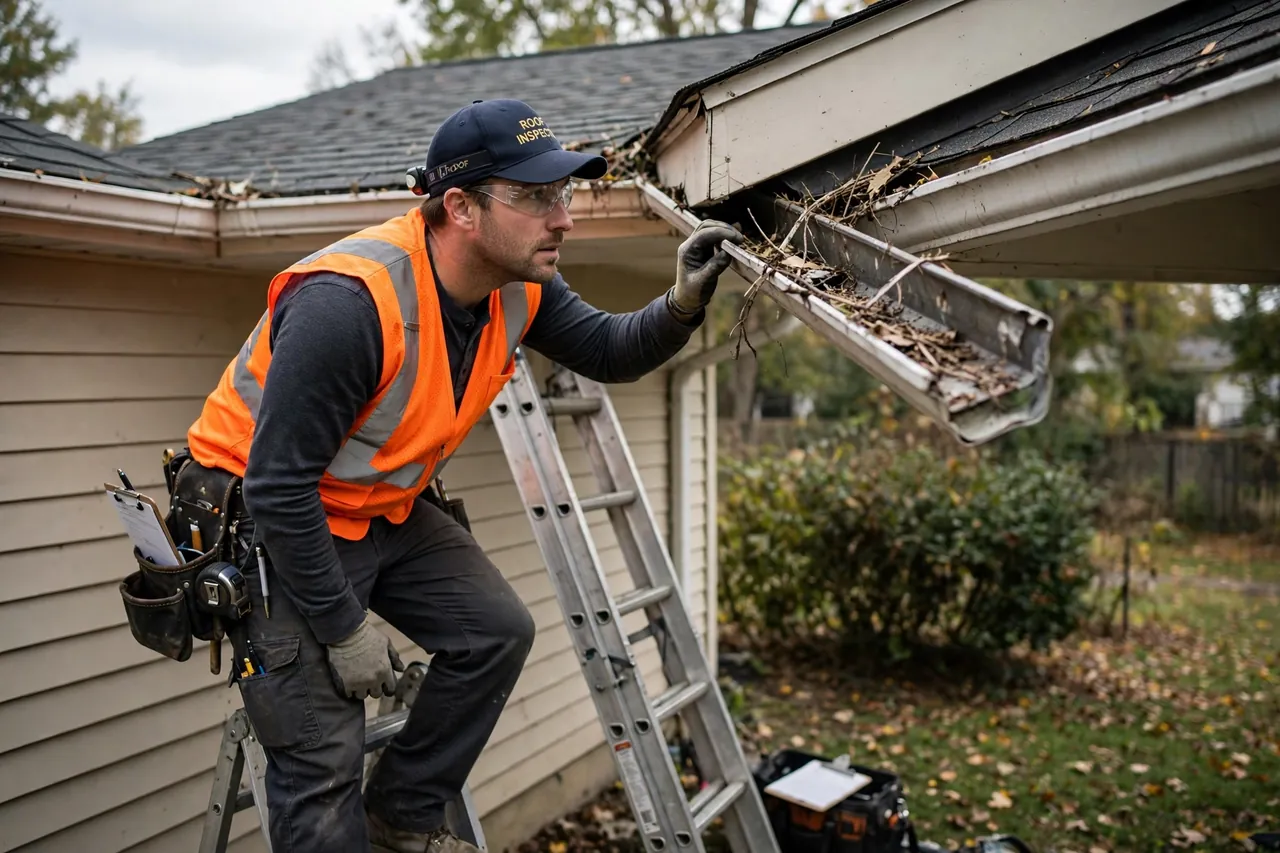
Have your roof professionally inspected once a year, plus after any major storm. That is the short answer, and it holds for just about every roof in Wilmington, DE — asphalt shingle, metal, or flat. In practice, the best schedule is a professional inspection each spring or fall, a ground-level look after nor’easters and summer thunderstorm outbreaks, and an inspection whenever you are buying or selling a home.
Why so often? Because roofs fail gradually and then all at once. A cracked pipe boot, a few lifted shingles, or flashing that has pulled away from a chimney can sit quietly for months, letting small amounts of water in with every rain. By the time you see a ceiling stain, the decking underneath may already be compromised. Regular inspections catch these problems in the cheap-to-fix stage — which is the entire point of the exercise.
How often does a roof really need a professional inspection?
Once a year is the baseline that roofing manufacturers and home-inspector associations converge on, and it is the right cadence for Wilmington. A year of Delaware weather — freeze-thaw cycles in winter, humid summers, tropical moisture in late summer, and at least a couple of nor’easters — is enough to loosen, crack, or dislodge something on any roof.
Roof age changes the math. A roof under ten years old with no history of problems is fine on the annual schedule. Once a shingle roof passes fifteen years, consider stepping up attention: an annual professional inspection plus your own ground-level checks each season. Older roofs do not always need replacing, but they reward closer watching — small issues appear more often, and catching them early is what keeps a repair bill small.
Flat and low-slope roofs deserve the same annual rhythm, with extra attention after leaf season. Debris-clogged drains on an EPDM or TPO roof create ponding water, and ponding water finds seams. A fall inspection that includes clearing drains is cheap insurance for flat sections.
When is the best time of year for an inspection in Delaware?
Spring and fall are the sweet spots, for opposite reasons. A spring inspection reveals what winter did: ice-dam damage at the eaves, shingles cracked by freeze-thaw, flashing shifted by ice expansion, and gutters pulled loose by ice weight. Delaware winters are not Minnesota winters, but our freeze-thaw cycling is relentless — water gets into tiny gaps, freezes, expands, and opens them wider, dozens of times per season.
A fall inspection prepares the roof for what is coming. It confirms the roof is watertight before the wettest, windiest months, clears gutters and drains before leaf drop finishes, and catches summer storm damage — lifted shingles from thunderstorm microbursts, hail bruising — before winter exploits it. If you only schedule one inspection a year in Wilmington, make it fall: going into winter with a verified roof is the highest-value timing.
Should I have my roof checked after every storm?
After every major storm, yes. The qualifier matters. A routine summer shower does not warrant a call, but Wilmington gets several genuinely roof-testing events most years: nor’easters with sustained high winds, tropical systems pushing up from the south, hailstorms, and the occasional severe thunderstorm with straight-line winds.
After one of those, do a ground-level check yourself first: look for shingles or debris in the yard, scan the roofline with binoculars for missing or lifted shingles, check gutters for new granule piles, and look in the attic for fresh staining. If anything looks off — or if neighbors are reporting damage, which is a strong signal your street took a hit — schedule a professional storm damage inspection. Wind and hail damage is often invisible from the ground but obvious to a trained eye on the roof.
Do I need an inspection when buying or selling a home?
When buying: absolutely, and make it a specialist. A general home inspector will note obvious roof issues, but a roofing-focused inspection goes further — attic moisture tracing, flashing details at chimneys and valleys, remaining shingle life estimates, and flat-section drainage. Wilmington’s housing stock skews old, from Trolley Square Victorians to mid-century ranches, and many carry roofs with layered histories of partial repairs. Knowing exactly what you are buying avoids five-figure surprises.
When selling: a pre-listing roof inspection is one of the highest-return preparations you can make. It lets you fix small issues on your own timeline instead of under buyer-negotiation pressure, and a clean inspection report answers the roof question before it becomes an objection. In a market where buyers are already stretching, "roof inspected, no issues found" removes friction.
What does a professional roof inspection actually cover?
A proper inspection has two halves: outside and inside. Outside, the roofer walks the roof (when it is safe to do so) and examines the field shingles or membrane for damage, cracking, blistering, and granule loss; all flashing — chimney, step, valley, and drip edge; penetrations like pipe boots, vents, and skylight curbs; gutters and downspouts; and the condition of sealants, which dry out and crack over time.
Inside, the attic tells the other half of the story. The inspector looks for water staining on the underside of the decking, daylight showing through gaps, mold or mildew indicating chronic moisture, compressed or displaced insulation, and whether ventilation is actually moving air — blocked soffit vents are a common find in older Wilmington homes. You should receive a written report with photos, a prioritized list of findings, and clear repair recommendations. If an "inspection" is just a guy glancing at your roof from the driveway, it was not an inspection.
What problems do inspections catch early in Wilmington?
The hits are remarkably consistent year after year. Cracked or dried-out pipe boots — the rubber collars around vent pipes — are probably the number-one source of small, persistent leaks; they age out in roughly ten to fifteen years. Lifted or creased shingles from wind events. Step flashing that has separated from chimney masonry on older brick chimneys, extremely common in the Historic District. Granule loss accelerating on south-facing slopes that take the most UV. Moss and lichen holding moisture against shingles in shaded sections near Brandywine Park. And on flat roofs: clogged drains, seam separation, and punctures from fallen branches.
Every one of these is a modest repair when caught early. Every one becomes decking replacement, interior repair, or worse when it runs for another year. That is the economic argument for the annual inspection in a single paragraph.
Can I inspect my own roof instead of hiring someone?
You can — and should — do regular ground-level checks yourself. Walk the perimeter with binoculars a few times a year: look for missing, curled, or cracked shingles, sagging gutters, granule piles at downspouts, and flashing that looks bent or displaced. After storms, add a yard scan for shingle debris. In the attic, look for new stains, damp insulation, or daylight where it should not be.
What you cannot safely do is the on-roof portion: testing shingle seal, flexing pipe boots, probing flashing, or assessing granule loss up close — especially on the steep pitches common across Wilmington’s older neighborhoods. Think of it like dental checkups: brushing at home matters, but it does not replace the exam. Your ground-level vigilance plus an annual professional inspection is the combination that actually protects the roof.
What happens when inspections get skipped for years?
Nothing dramatic — at first. A cracked pipe boot drips a few ounces per rain into the attic insulation, which absorbs it silently. The decking around the drip stays damp, and damp plywood delaminates slowly. A year or two in, the stain appears on the ceiling, and by then the repair involves not just the boot but a section of decking, new insulation, and interior drywall and paint.
We see this cascade constantly on leak repairs across Wilmington: the leak itself was always a modest fix, but the delay multiplied it into a multi-trade project. Mold is the other escalator — chronic attic moisture grows mold on decking and framing, which turns a roofing job into a remediation job. None of this happens on an inspected roof, because the boot gets caught at the "cracked rubber, no leak yet" stage — a fifteen-minute fix.
Should a brand-new roof be inspected too?
Yes — once, early. A post-installation inspection a year or two in verifies that everything sealed and settled correctly: shingle adhesion after the first full summer of heat cycling, flashing that stayed put through the first winter, no installation details that need attention while workmanship warranties are fresh. It also establishes your baseline photo record, which becomes invaluable later for distinguishing storm damage from wear.
After that, a new roof joins the normal annual rhythm. The inspection habit is cheapest to build when there is nothing wrong — by the time something is visibly wrong, you are already paying for the delay.
What should I ask before hiring a roof inspector?
Not all inspections are equal, so vet the inspector the way you would any contractor. Ask whether they go into the attic — anyone who prices an inspection without attic access is selling a glance, not an assessment. Ask what you receive afterward: the answer should be a written report with photos and prioritized findings, not a verbal "looks fine." Ask how they document remaining life and whether their findings come with repair recommendations or just observations.
Also ask about their incentives. An inspector who only inspects — no repair crew waiting in the wings — has no reason to invent problems. That does not disqualify full-service roofers, many of whom inspect honestly, but it is a useful lens: the cleanest inspection is one where the inspector gains nothing from finding trouble. Whoever you choose, the report should stand on its own — detailed enough that a second roofer could price the recommended work from it without re-inspecting.
Frequently Asked Questions
How often should I have my roof inspected in Wilmington DE? Once a year, plus after any major storm such as a nor’easter, hailstorm, or tropical system. Schedule the annual inspection in spring or fall. Roofs over fifteen years old benefit from closer attention between professional visits.
What is the best month for a roof inspection in Delaware? Fall is the highest-value single timing — it verifies the roof before winter — with spring as the second choice to assess winter damage. Either beats skipping the year entirely.
How much does a roof inspection cost? Pricing varies by company and roof complexity, and many roofers apply inspection findings toward repair work. What matters more than the fee is what you get: a written report with photos and prioritized findings, not a driveway glance.
Do I need a roof inspection when buying a house? Yes — and consider a roofing specialist beyond the general home inspection. Wilmington’s older housing stock often carries layered repair histories, and a focused roof inspection reveals remaining life and hidden issues before you commit.
What are the most common problems found during inspections? Cracked pipe boots, wind-lifted shingles, separated chimney flashing, granule loss on sun-exposed slopes, moss growth in shaded areas, and clogged drains or seam issues on flat roofs. Most are modest repairs when caught early.
Can I just check the roof myself with binoculars? Ground-level checks with binoculars are a good habit between professional inspections, but they cannot replace an on-roof examination. Seal condition, flashing details, and granule loss need close, hands-on assessment — especially on steep roofs.
Will an inspection tell me how much life my roof has left? A thorough inspection gives an informed estimate of remaining service life based on shingle condition, granule retention, flashing integrity, and decking health — useful for planning whether to budget for future replacement.
The roofs that last in Wilmington are not the luckiest ones — they are the watched ones. An annual inspection plus your own seasonal ground-level checks will catch nearly every problem while it is still small. To schedule a professional inspection, call The Roof Medics at (302) 445-8567.