Your local team · Highlands
Roof Repair in Highlands, Wilmington DE
Roof repair in the Highlands, Wilmington DE has a lot to do with trees. This prestigious early-20th-century neighborhood borders Rockford Park and Brandywine Park, and its mature canopy drops branches, leaves, and shade onto some of the city's finest roofs. The Roof Medics repairs asphalt shingle, slate, and metal roofs on Highlands homes — from storm damage to slow tree-related wear. Contact our team or call (302) 445-8567.
Local knowledge
Why Roof Repair in Highlands Is Different
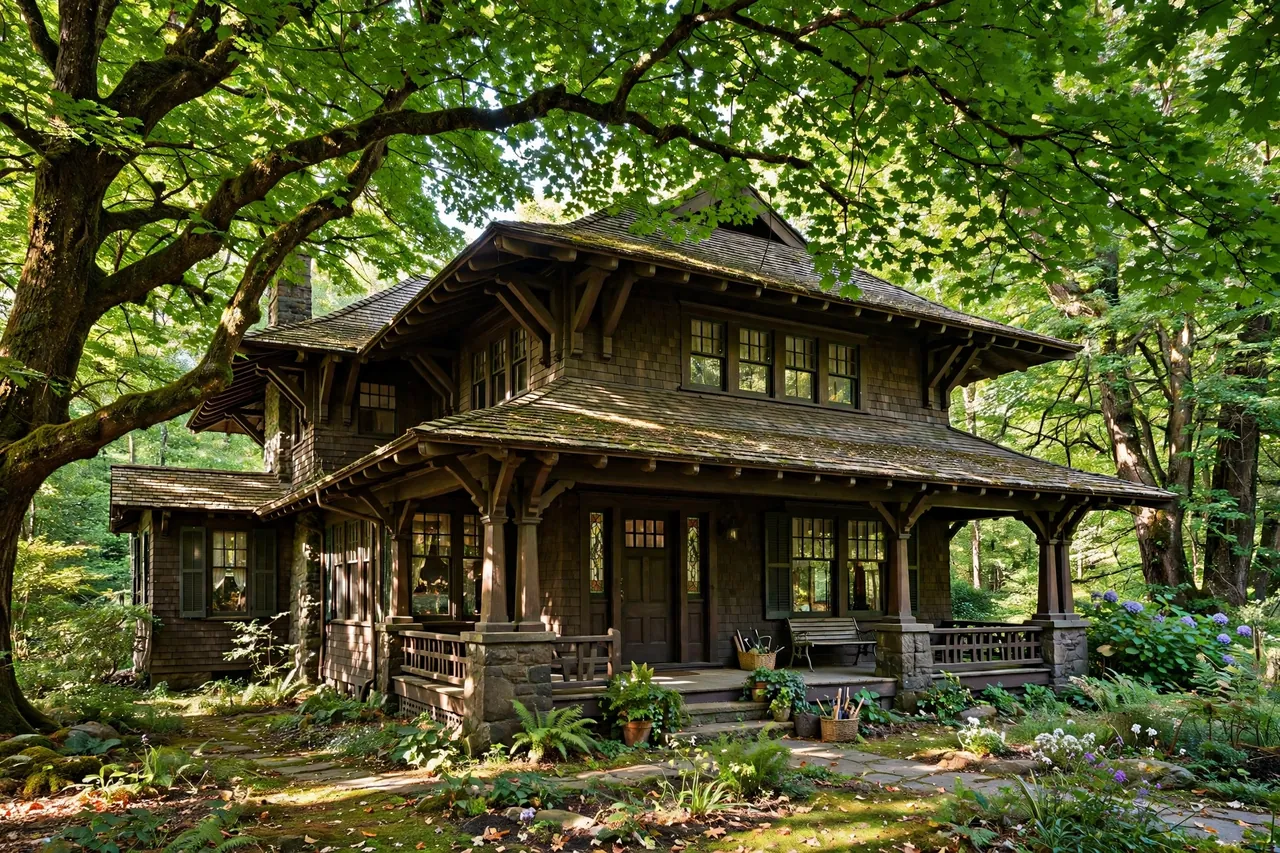
The Highlands developed in the early 1900s as Wilmington's prestigious western suburb, and its housing stock shows it: substantial Colonial Revival and Craftsman homes, many with stone facades, deep eaves, and large landscaped lots along tree-lined streets near Rockford Park. These are big, well-built houses — and their roofs live under one of the heaviest tree canopies in the city.
Tree cover is the defining maintenance factor for Highlands roofs. Mature oaks and maples overhang ridges and valleys, dropping branches in every windstorm and shedding leaves that pack into valleys and gutters each fall. Shade keeps roof surfaces damp long after rain, which encourages moss and algae growth on asphalt shingles — particularly on north-facing slopes. None of this is mysterious, but it means Highlands roofs age differently than identical roofs on sunnier streets: the wear concentrates where the trees are, and repairs cluster around impact damage, clogged drainage, and moisture-held sections.
The houses themselves are substantial. Stone-front Colonials with side-gable roofs, Craftsman bungalows with deep overhanging eaves and exposed rafter tails, and the occasional slate roof on the grandest properties near the parks. Deep eaves are a Craftsman signature and a roofing consideration: the wide overhangs create long, shallow transitions where the main roof meets porch roofs, and those transitions collect debris and rely on flashing that is easy to overlook. Stone chimneys — often two per house — are beautiful and heavy, and their flashing and mortar joints take the same freeze-thaw beating as any masonry in Delaware.
Many Highlands roofs are architectural asphalt shingles from GAF, Owens Corning, or CertainTeed, installed during renovations over the past two to three decades. A shingle roof under heavy trees shows its age first at the drip edge and in the valleys: granule loss accelerates where debris sits, sealant strips weaken where shade keeps things damp, and wind finds the loosened tabs along tree-exposed ridges. The good news is that these are among the most repairable roofs in Wilmington — damaged courses can be replaced, valleys rebuilt, and flashings renewed without disturbing the sound majority of the roof.
Proximity to Rockford Park shapes the microclimate. The park's 104 acres of mature trees and open lawns sit just east of the neighborhood, and the Brandywine Creek valley nearby funnels wind and weather through the area. Storms that drop a few branches downtown can drop whole limbs here. After any significant wind event, a Highlands roof deserves a look — impact damage from a falling limb often starts as a small puncture or cracked shingle course that only leaks months later, when the underlayment beneath it finally gives way.
Our repair approach in the Highlands starts with the trees, not just the roof. We clear debris from valleys and gutters as part of the job, recommend trimming where branches abrade the roof surface, and treat moss and algae where shade has taken hold — because repairing shingles without addressing the cause just schedules the next repair. The framing on these early-1900s homes is typically excellent old-growth lumber, so once the covering and flashings are sound, the roof has decades of structure left to protect.
Common local problems
Common Roof Types and Problems in Highlands
Highlands roofs share a neighborhood character — substantial homes, heavy trees, quality materials. Here is what fails most often and how we fix it.
Architectural asphalt shingles under tree cover
The workhorse roof of the Highlands. Under mature oaks, these shingles suffer impact damage from falling branches, granule loss where debris sits, and moss growth on shaded north slopes. Our shingle repair work here typically means replacing impact-damaged courses, rebuilding debris-packed valleys, and renewing pipe boots and flashings — plus clearing the drainage paths so the repair lasts.
Slate accents and full slate roofs
The finest Highlands properties near Rockford Park sometimes carry slate, either original or installed as a premium update. Slate handles the neighborhood well — it shrugs off branch impacts that would crack asphalt — but individual tiles still slip as fasteners age, and the flashing at stone chimney intersections needs periodic renewal. We replace broken slates with matching stone and rebuild the metal flashings that actually cause most slate-roof leaks.
Cedar and wood-accent roofing
Craftsman homes in the Highlands occasionally feature cedar shake accents on gables or dormers. Cedar weathers to a handsome silver-gray but splits, curls, and grows moss in persistent shade. Repair means replacing split shakes with matching cedar, treating moss, and making sure the underlayment beneath the accents is intact.
Stone chimney flashing and mortar
Those handsome stone chimneys are leak sources when their step flashing corrodes or their mortar joints erode. Water entering at a chimney travels along framing before it shows up as a ceiling stain rooms away. We repoint failing mortar, install new step and counter flashing, and fit proper cricket flashing behind wide chimneys to divert water around them.
Deep-eave and porch roof transitions
Craftsman deep eaves and wraparound porches create long, shallow roof intersections that collect leaves and rely on flashing hidden under the courses. When these transitions fail, the leak often appears at the porch ceiling or the top of an exterior wall. Repair involves opening the transition, replacing deteriorated underlayment and flashing, and restoring proper drainage.
Gutters under the canopy
Highlands gutters work harder than most — spring oak tassels, summer leaves, fall acorns, winter ice. Clogged gutters overflow and rot fascia boards, and the weight of debris-filled gutters pulls hangers loose. Gutter-adjacent roof repair here means clearing and resecuring the system, replacing rotted fascia, and making sure drip edge properly directs water into the gutter instead of behind it.
Common in this area
Common Roof Repair Scenarios in Highlands
Patterns we see repeatedly on Highlands streets — described generally, not as anyone's story.
Branch puncture after a windstorm near Rockford Park
Symptom: A limb came down in a storm and cracked several shingles on one slope. From the ground the roof looks fine, but a few tabs are split and the underlayment may be pierced. Typical fix: Replacing the damaged shingle courses with matching architectural shingles, inspecting and patching the underlayment beneath, and checking the surrounding courses for loosened sealant. The branch gets cut back from the roofline so it cannot strike twice.
Moss-covered north slope losing granules
Symptom: The shaded north-facing slope is green with moss, and the gutters below it are full of granules. Shingles underneath are thinning. Typical fix: Treating and removing the moss, replacing the most deteriorated courses, and addressing the shade and drainage conditions that caused it — including a recommendation to trim the overhanging limbs.
Leak at a stone chimney after freeze-thaw
Symptom: A ceiling stain appears below a stone chimney each spring. The mortar joints at the chimney base have eroded and the step flashing has pulled away. Typical fix: Repointing the failing mortar, installing new step and counter flashing woven into the surrounding shingles, and adding a cricket behind the chimney to shed water around it.
We know the route
Landmarks Near Highlands
The Highlands sits between two of Wilmington's great parks — our crews know these streets by their landmarks.
Rockford Park
The 104-acre park anchoring the neighborhood's east side, with its historic stone observation tower. Homes along the park take the heaviest tree exposure in the Highlands — and generate a steady share of our branch-damage calls.
Delaware Art Museum
On Kentmere Parkway at the neighborhood's edge, the museum's distinctive building is a landmark for the surrounding blocks of early-1900s homes whose roofs we service.
Rockford Tower
The park's stone tower is visible from many Highlands streets and makes a handy reference point when we're routing between jobs in the neighborhood.
Brandywine Park
Just south of the Highlands, the Brandywine Creek valley park shapes local weather patterns — wind funnels up the valley and finds the loose shingles first.
Plan for the season
How Seasons Affect Roof Repair in Highlands
A tree-heavy neighborhood has a five-season roofing calendar. Here is what each part of the year brings in the Highlands.
Spring
Oak tassels and seed debris clog valleys and gutters just as spring rains arrive — the year's peak season for overflow-related leaks. Spring is also when winter's branch damage reveals itself as new leaks. A post-winter inspection and a thorough debris clearing set the roof up for the year.
Summer
Full canopy means maximum shade and humidity on north slopes — prime moss season. Summer thunderstorms snap the dead limbs the trees have been holding, so impact damage peaks in July and August. Keep branches trimmed back from the roof surface.
Fall
Acorns, leaves, and falling branches arrive together. Valleys packed with wet leaves hold moisture against shingles for weeks, accelerating granule loss. Fall clearing of valleys, gutters, and low-slope sections is the single most valuable maintenance a Highlands homeowner can do.
Winter
Bare branches still break under ice and wind, and freeze-thaw works the mortar on stone chimneys. Ice dams can form at eaves where attic heat escapes — deep Craftsman eaves are particularly prone — backing water under the courses.
Services available in Highlands
Our Roof Repair Services in Highlands
All of our roof repair services are available in the Highlands, adapted to park-side, tree-heavy homes. Meet the local team behind the work.
01
Emergency Roof Repair
When a limb comes through or a storm peels back courses near Rockford Park, our emergency response stabilizes the damage fast — tarping, temporary sealing, then a proper repair.
View service 02Roof Leak Repair
Highlands leaks usually start at chimneys, valleys packed with debris, or porch transitions. We find the true entry point and fix it there, not just where the stain appears.
View service 03Shingle Roof Repair
Impact-damaged and moss-worn architectural shingles are our most common Highlands job — matched replacement courses, rebuilt valleys, renewed flashings.
View service 04Flat Roof Repair
Porch roofs, additions, and low-slope sections get EPDM, TPO, or mod-bit membrane repairs with proper drainage restored.
View service 05Commercial Roof Repair
Apartment buildings and offices along the neighborhood's commercial edges get the same careful treatment, scaled to larger low-slope systems.
View serviceYes — branches cause impact damage in storms, leaves pack valleys and gutters holding moisture against the roof, and persistent shade grows moss that wears shingles prematurely. Regular trimming and debris clearing prevent most tree-related roof problems.
Usually moss or algae, thriving where the tree canopy keeps the roof damp. It lifts shingle edges and holds moisture against the surface. It can be treated and removed, and the underlying shingles assessed — badly worn courses should be replaced.
A professional look is worthwhile. Limb impacts often crack shingles or pierce underlayment in ways invisible from the ground, and the leak may not appear for months. Early repair is a small job; a leak discovered later rarely is.
Stains on ceilings near the chimney, visible gaps where flashing meets the masonry, crumbling mortar joints, and rust streaks down the chimney face are all warning signs. Chimney flashing and mortar should be inspected yearly in a freeze-thaw climate.
In most cases, yes. We work with the major manufacturers — GAF, Owens Corning, CertainTeed — and match profile and color as closely as current production allows. On older roofs, a close match in the repair area is the standard.
In the Highlands, the usual culprit is debris packed in the valleys above the gutter or in the downspout elbows where you can't see it. Oak tassels in spring are notorious for this. Clearing the full drainage path — valleys, gutters, and downspouts — solves it.
Metal sheds branches and debris better than any other residential roofing and resists moss, which makes it attractive under heavy canopy. Whether it suits a particular Highlands home depends on the structure, the look of the street, and the existing roof — an assessment can lay out the honest trade-offs.
Your next step is waiting
Trees Are Tough on Roofs. We Know the Fix.
If branches, moss, or a mystery stain have you wondering about your Highlands roof, call The Roof Medics. We'll inspect it properly, show you what's going on, and repair what's actually failing.
Start with the basics
Contact Us for Roof Repair
Reach out to us for any roof repair needs. We are available Monday to Friday and respond quickly to inquiries.