Your local team · Trolley Square
Roof Repair in Trolley Square, Wilmington DE
Roof repair in Trolley Square, Wilmington DE means working on some of the oldest and most architecturally detailed homes in the city. The Roof Medics repairs slate, metal, and asphalt shingle roofs on the neighborhood's Victorian mansions and historic rowhouses, with methods that respect the character of the Delaware Avenue Historic District. If your roof is leaking or losing tiles, contact our team or call (302) 445-8567.
Local knowledge
Why Roof Repair in Trolley Square Is Different
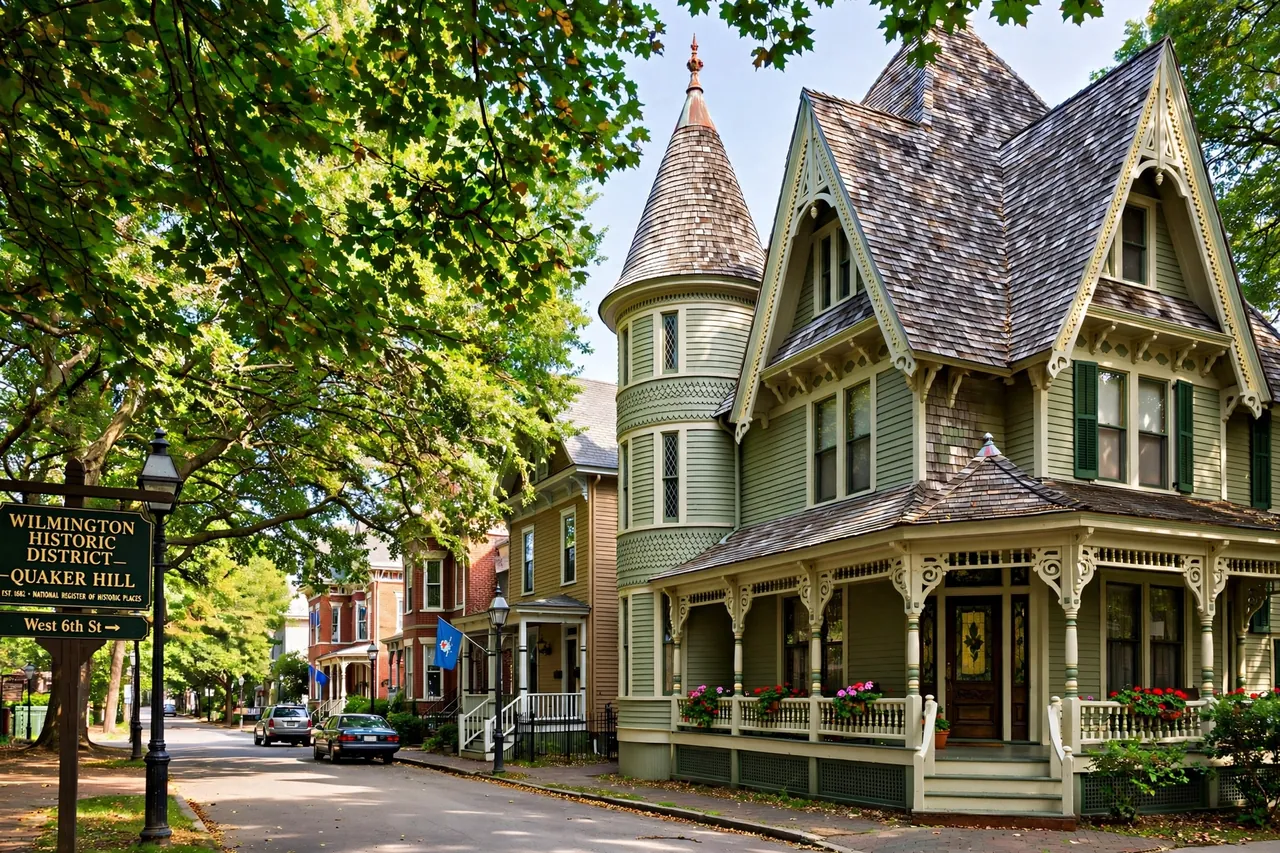
Trolley Square grew up around the trolley line Joshua T. Heald laid along Delaware Avenue in 1864, and the 1200 and 1300 blocks still show what that prosperity built: large three-story Victorian mansions in Italianate, Queen Anne, Colonial Revival, and Classical Revival styles, most raised between 1870 and 1930. Those houses are now 100 to 150 years old, and their roofs are unlike anything on a modern suburban home.
The defining feature of a Trolley Square roof is complexity. A single Queen Anne mansion can combine a steep main gable, a conical turret roof, cross gables over projecting bays, shed dormers, and a wraparound porch with its own low-slope roof — each plane meeting the next at valleys, hips, and wall intersections that all need flashing. Every one of those intersections is a potential leak point, and on a 130-year-old house, the original flashing is often the first thing to fail. When we inspect a Trolley Square roof, we spend most of our time at these transitions, not on the open field of the roof.
Original roofing material matters here too. Many of the grandest Delaware Avenue homes were built with natural slate, which can last a century or more but sheds individual tiles as the fasteners corrode and the tiles themselves delaminate. A slate roof rarely needs wholesale work — it needs a roofer who can source matching slate, weave in replacement tiles with copper or stainless fasteners, and repair the flashing without disturbing sound courses around the damage. Other homes carry standing-seam metal roofing, sometimes original, sometimes added during 20th-century updates. Metal panels expand and contract with every temperature swing, working fasteners loose and opening seams over decades.
Later updates add their own layer of repair needs. Plenty of Trolley Square houses had their slate or wood roofs replaced with architectural asphalt shingles in the 1970s through the 2000s. Those shingle roofs are now reaching the end of their service life all at once, which is why we see so many simultaneous calls from the neighborhood: curling shingles on south-facing slopes, granule loss filling the gutters, and nail pops telegraphing through the courses. The underlying structure is usually sound — old-growth lumber framing from the 1880s is remarkably durable — but the roof covering and flashings need systematic attention.
Historic-district awareness shapes every repair we make in Trolley Square. The Delaware Avenue Historic District's overlay zoning exists to protect exactly the streetscape these roofs create, so repairs should preserve the visible character of the house: matching slate where slate was, keeping the profile of metal roofing consistent, and choosing shingle colors that suit the period of the home. Repair work that respects those lines keeps the house looking right and avoids problems if the property ever goes through design review. Our approach is always repair-first and material-appropriate — fix what has failed, match what is there, and leave the rest of the historic fabric untouched.
Access is a practical consideration as well. These are tall houses — three stories plus steep pitches puts the ridge 35 to 45 feet off the ground, often above mature street trees. Safe access takes proper staging and fall protection, and debris control matters when the neighboring houses sit close. We plan Trolley Square jobs around those realities: contained work areas, protection for landscaping and neighboring properties, and thorough cleanup of old slate fragments and nails, which are heavy, sharp, and easy to miss in a garden bed.
Common local problems
Common Roof Types and Problems in Trolley Square
Walk Delaware Avenue from Harrison to Broom and you will see nearly every residential roofing system used in the last 150 years. Here is what we most often repair in Trolley Square, and how each type tends to fail.
Natural slate roofs
Slate is the signature roofing of Trolley Square's grandest homes, and it fails gracefully — one tile at a time. Individual slates crack from freeze-thaw cycles, slip when their nails corrode, or delaminate along natural cleavage planes. The repair is surgical: remove the broken tile, slide in a matching slate secured with a copper bib or stainless hook, and check the surrounding courses. What slate roofs truly need is flashing maintenance, because the metal valleys and step flashing wear out long before the stone does.
Standing-seam metal roofing
Metal roofs appear on Trolley Square homes as full coverings and as accents over bays, porches, and turret cones. The panels themselves can last 60 years or more, but fasteners back out, neoprene washers dry-rot, and seams open where panels were hand-crimped a century ago. We repair metal roofs by reseating and replacing fasteners with compatible metals, resealing seams, and patching isolated corrosion — never mixing incompatible metals, which accelerates galvanic corrosion.
Architectural asphalt shingles
Most Trolley Square houses that no longer carry their original slate now wear architectural asphalt shingles from GAF, Owens Corning, or CertainTeed. These fail in familiar ways: wind-lifted tabs on the exposed ridges, granule erosion on south and west slopes, cracked sealant strips after nor'easters, and deteriorated pipe boots. Targeted shingle repair — replacing damaged courses, resealing, and renewing flashings — routinely extends these roofs by years.
Box gutters and built-in gutter systems
Many Victorian-era Trolley Square homes were built with box gutters integrated into the cornice rather than modern K-style gutters hung from the fascia. These built-in systems are beautiful and historically correct, but their linings — originally terne metal or copper — corrode, and their downspout connections clog. We repair box gutters by relining them with compatible metal or membrane and restoring proper slope, preserving the cornice profile instead of bolting on modern gutters that would change the look of the house.
Chimney flashing on tall masonry stacks
Trolley Square's Victorians often carry two or three tall brick chimneys serving fireplaces that may still be used. Step flashing woven into the shingle courses and counter flashing set into mortar joints both deteriorate; mortar itself erodes, opening gaps that channel water straight into the attic. Chimney-related leaks are among the most common calls we get from the neighborhood, and the fix is methodical: repoint failing mortar, install new step and counter flashing, and seal the crown.
Low-slope porch and bay roofs
Wraparound porches, sleeping porches, and projecting bays give Trolley Square homes their character — and their low-slope roof sections. These shallow pitches were often roofed with rolled roofing or, later, modified bitumen (mod-bit). Ponding water, seam failures, and flashing breakdown where the porch roof meets the main house wall are the recurring issues. We repair these sections with heat-welded or adhered membrane patches and rebuilt wall flashing so the porch stays dry without altering its appearance.
Common in this area
Common Roof Repair Scenarios in Trolley Square
These are the jobs we see again and again on Trolley Square streets — described as patterns, not anyone's story.
Slate tiles slipping on a Delaware Avenue gable
Symptom: A few dark slates have slid out of place on a steep front gable, and one is visible in the gutter below. The surrounding courses look intact. Typical fix: Individual slate replacement with matching salvaged or new slate, secured with copper bibs, plus an inspection of the valley flashing below the slipped area — the usual companion failure. The rest of the roof is left alone.
Leak at a Queen Anne turret
Symptom: Water stains appear on the ceiling of a round second-floor room after wind-driven rain. The turret's conical roof meets the main roof at a complex curved valley. Typical fix: Rebuilding the turret valley flashing with new metal, resealing the cone seams, and replacing any deteriorated underlayment at the transition. Turret work is slow and custom, but it stops the leak without touching the sound portions of the roof.
Box gutter overflowing at the cornice
Symptom: Water pours over the front cornice during heavy rain, staining the brick below. The built-in box gutter's lining has corroded through in sections. Typical fix: Relining the box gutter with new compatible metal, restoring fall toward the downspouts, and clearing and resealing the downspout connections — keeping the historic cornice profile intact.
We know the route
Landmarks Near Trolley Square
Trolley Square's landmarks double as our navigation points — the district's history is written on its rooflines.
Soldiers and Sailors Monument
The Civil War monument at Delaware Avenue near Broom Street anchors the heart of the historic district. The grand homes radiating from it — many with original slate — are exactly the houses whose complex roofs we know best.
Howard Pyle Studios
The studios of Delaware's famed illustrator sit within the district on Delaware Avenue. The surrounding blocks hold some of the finest Queen Anne and Colonial Revival rooflines in the city.
St. Stephen's Lutheran Church
A district landmark whose own steep historic roof shows the same slate-and-flashing details found on neighboring residences — a useful reference for period-correct repair work.
Cool Spring Park
Just south of the district, this neighborhood park marks the transition from grand Delaware Avenue mansions to the smaller historic homes whose simpler gable roofs we also service across Trolley Square.
Plan for the season
How Seasons Affect Roof Repair in Trolley Square
Delaware's four-season climate works every weakness in an old roof. Here is how the year typically plays out for Trolley Square homes.
Spring
Nor'easters and heavy April rains test every valley, flashing, and box gutter on these complex roofs. Spring is the right time to have winter's damage assessed — slipped slates, lifted shingles, and clogged gutters are all easiest to fix before the summer storm season.
Summer
Heat and humidity accelerate the aging of asphalt shingles and dry out sealants around flashings and pipe boots. Afternoon thunderstorms bring the year's strongest wind gusts, which find the loose tabs on high, exposed ridges first.
Fall
Falling leaves from Trolley Square's mature street trees pack into box gutters and valleys, holding moisture against the roofing. A fall clearing keeps water moving off the roof before freeze-thaw season begins.
Winter
Freeze-thaw cycles pry at slate tiles, mortar joints, and flashing seams. Ice dams can form where heat escapes into the attic of these tall old houses, backing water under the courses at the eaves — the classic winter leak on a Victorian.
Services available in Trolley Square
Our Roof Repair Services in Trolley Square
Every service below is available in Trolley Square, tuned to the neighborhood's historic housing stock. See all of our roof repair services, or learn more about our team.
01
Emergency Roof Repair
Storm damage on a 130-year-old roof can't wait. Our emergency response in Trolley Square covers wind-torn shingles, slipped slate, and active leaks — stabilized fast, then repaired properly.
View service 02Roof Leak Repair
Most Trolley Square leaks start at flashing: chimneys, valleys, turrets, and box gutters. We trace the water to its true entry point and repair it at the source.
View service 03Shingle Roof Repair
For the many Trolley Square homes now roofed in architectural shingles, we replace damaged courses, renew pipe boots and flashings, and match existing shingle profiles.
View service 04Flat Roof Repair
Porch roofs, bay roofs, and rear additions with low slopes get membrane repairs — EPDM, TPO, or mod-bit patches with rebuilt wall flashing.
View service 05Commercial Roof Repair
Trolley Square's converted mansions, offices, and apartment buildings need the same careful approach at a larger scale — we handle multi-unit and mixed-use roofs throughout the district.
View serviceMost slate roofs can be repaired. Individual cracked or slipped tiles are replaced with matching slate, and the flashing — which usually fails first — is renewed. Full replacement is only worth discussing when the slate itself is broadly delaminating or the fasteners are failing across whole slopes, which a professional assessment can determine.
Proper repair should not. We match existing materials — slate for slate, compatible metal for metal — and keep profiles, colors, and details consistent with the house. The goal is a repair that disappears into the original roof.
Turret leaks almost always trace to the curved valley where the cone meets the main roof, or to open seams in the cone itself. Wind-driven rain exploits any gap there. Repair means rebuilding that flashing transition with new metal shaped to the curve.
Water spilling over the cornice during rain, staining on the brick or siding below the eaves, and visible corrosion or sagging in the gutter channel all point to lining failure. Relining restores the system without changing the historic cornice.
They require proper staging, roof brackets, and fall protection — which is why steep historic roofs are not DIY territory. Professional crews plan access around the height, pitch, and landscaping before any work begins.
Once a year is a sound rhythm, ideally in spring after winter's freeze-thaw cycles, plus an inspection after any major nor'easter or windstorm. Catching a slipped slate or failed flashing early keeps a small repair small.
Yes. Many of the district's large homes now serve as offices or apartments, and we repair their roofs — including larger low-slope sections and shared drainage — with the same preservation-minded approach.
Your next step is waiting
Roof Trouble on a Historic Home? Let's Look.
Trolley Square roofs reward careful work. Call The Roof Medics for an honest assessment of your slate, metal, or shingle roof — we'll show you exactly what needs repair and what can wait.
Start with the basics
Contact Us for Roof Repair
Reach out to us for any roof repair needs. We are available Monday to Friday and respond quickly to inquiries.