Shingle Granules in Gutters: What It Means
A few granules are normal. Gutters full of them are a message from your roof. Here is how to read it.
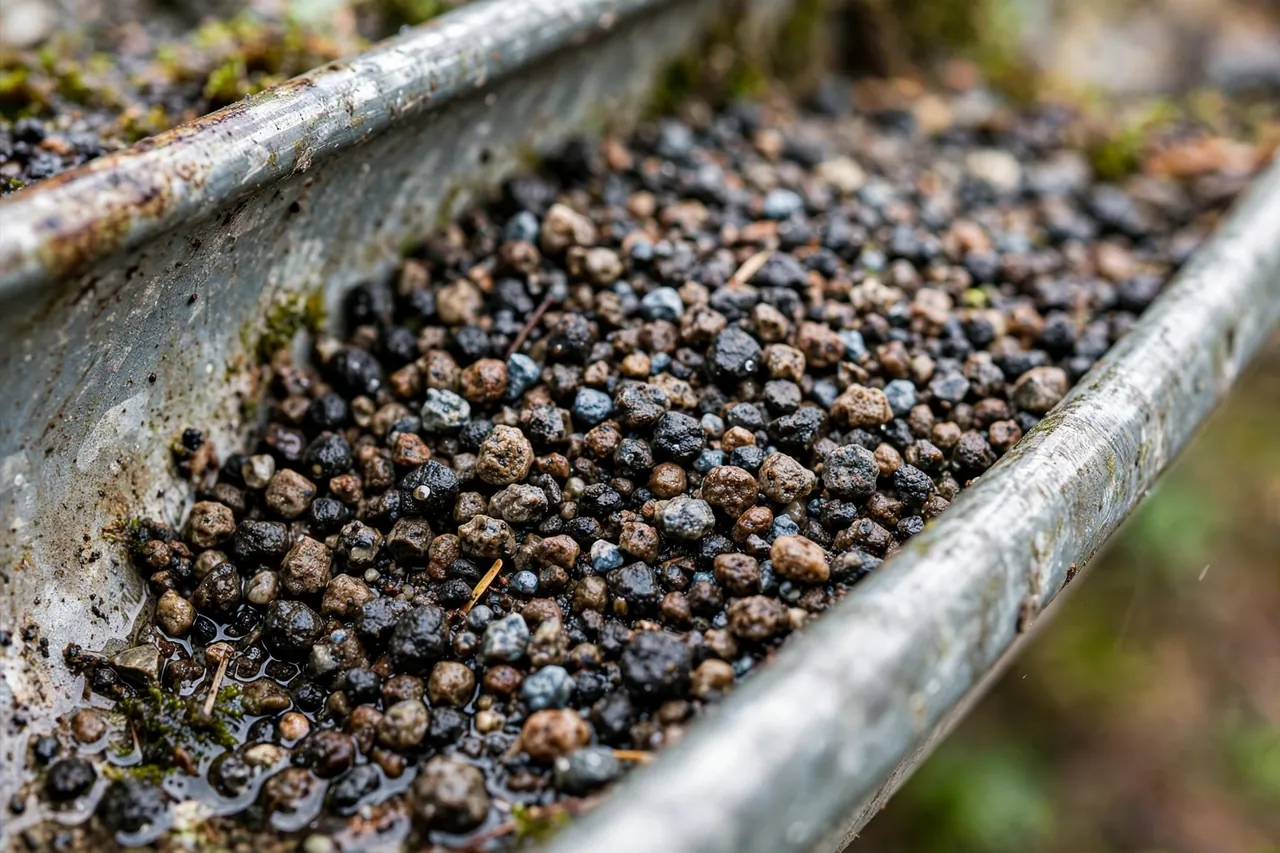
Finding shingle granules in your gutters is one of the most common things Wilmington homeowners notice — and one of the most misunderstood. The short answer: some granule loss is completely normal, especially on a newer roof or right after a storm. But gutters that are consistently full of granules, or shingles with visible bald patches, mean your roof’s protective layer is wearing thin and the roof deserves a professional look.
To understand why it matters, you need to know what those little sand-like grains actually do. They are not decoration. Granules are the armor of an asphalt shingle — and when the armor goes, the shingle underneath is on a countdown.
What are shingle granules and what do they do?
Asphalt shingles are built in layers: a fiberglass mat at the core, saturated with asphalt, and coated on top with ceramic-coated mineral granules. Those granules do three critical jobs. First, they block ultraviolet radiation — without them, sun exposure bakes and cracks the asphalt in a fraction of the time. Second, they provide fire resistance, which is part of why asphalt shingles carry a Class A fire rating. Third, they give the shingle its color.
This is why granule loss is never just cosmetic. A shingle shedding its granules is a shingle losing its UV shield. The asphalt underneath becomes brittle, cracks develop, and water finds its way in. Think of granules the way you would think of tread on a tire: the tire still looks round when the tread wears, but its grip — its actual job — is gone.
Is some granule loss normal?
Yes — in three situations, granule loss is expected and not a concern. First, new roofs shed. Fresh shingles carry loose "hitchhiker" granules from manufacturing, and the first few rains wash a noticeable amount into the gutters. If your roof is under two years old and otherwise looks uniform, a little gutter grit is just break-in.
Second, storms knock granules loose. Hail is the obvious culprit, but even heavy rain and wind-blown debris scour the surface. After a nor’easter or summer thunderstorm, finding some extra granules at the downspouts is normal — worth noting, but not alarming on its own.
Third, gradual loss with age is simply how asphalt shingles wear. A fifteen-year-old roof will shed more than a five-year-old one. The question is never "are there any granules" but "how much, how fast, and what does the shingle surface look like now."
How much granule loss is too much?
Here is how to read the signs. Normal: a light dusting of granules at downspout outlets, shingle color still even across the roof. Concerning: gutters that collect thick layers of granules after ordinary rain, downspout splash blocks buried in grit, or granules visibly piling where water exits.
The definitive test is the shingle surface itself. Look for bald spots where the black asphalt or fiberglass mat shows through — those areas have lost their UV protection entirely and will deteriorate fast. Also watch for uneven color: patches that look darker or shinier than surrounding shingles are often areas where granules have worn away. If you can see the difference from the ground, a roofer should see it up close. At that stage, the conversation shifts from monitoring to planning — whether that means targeted shingle repair or a broader assessment.
What causes premature granule loss in Wilmington?
Age is the baseline cause, but several local factors accelerate it. Hail is the fastest — even modest hail bruises shingles and dislodges granules in distinct impact patterns a trained eye can identify. Wind-driven rain during nor’easters scours south- and east-facing slopes. Foot traffic from satellite installers or holiday-light hangers grinds granules off underfoot.
Two slower culprits are very Wilmington-specific. First, poor attic ventilation: trapped summer heat essentially slow-cooks shingles from underneath, making the asphalt brittle and the granules release early. Many of the city’s older homes — colonials in Forty Acres, capes near Baynard Village — still have original ventilation that was never designed for modern heat loads. Second, moss and lichen, which thrive in shaded sections near Brandywine Creek and Rockford Park: their root systems pry granules loose as they spread, and the moisture they hold accelerates everything.
Do granules in gutters mean I need a new roof?
Not necessarily — and anyone who tells you otherwise from the driveway is selling, not diagnosing. Granule loss is a symptom with a spectrum of meanings. Light, even loss on a mid-life roof with no bald spots and no leaks: monitor it, keep the gutters clean, and mention it at your next annual inspection. Localized heavy loss — say, one slope hammered by hail while the rest looks fine: that is often a candidate for targeted repair rather than wholesale replacement.
The honest trigger points for a bigger conversation are: widespread bald spots, granule loss combined with curling or cracking shingles, loss plus active leaks, or a roof already past its expected service life shedding heavily. A roofer’s job at that point is assessment, not a sales pitch — documenting the roof’s actual condition so you can make an informed decision. That is exactly what a proper leak and condition assessment is for.
What should I do if I find granules in my gutters?
Start with observation, not panic. Note when you found them — after a storm, or during routine cleaning? Check whether it is a one-time shed or a pattern by looking again after the next few rains. From the ground with binoculars, scan for bald spots, uneven coloring, or damaged shingles, especially on the slopes that take the most sun and weather.
Then do two practical things. First, clean the gutters — granule buildup impedes drainage, and standing water in gutters backs up under the drip edge. Second, schedule a professional inspection if the loss looks heavy, keeps recurring, or comes with any other symptom: curling shingles, interior stains, or moss growth. An inspection gives you a documented baseline, so next year’s gutter cleaning becomes a comparison instead of a guess.
How does granule loss progress over a roof’s life?
Granule loss follows a rough curve. Years zero to two: manufacturing shed washes off, then stabilizes — this is the break-in period and means nothing. Years three to ten: slow, even loss from weather cycling; gutters show a light, consistent dusting. Years ten to fifteen: the rate depends heavily on ventilation, sun exposure, and storm history — south-facing slopes in full sun pull ahead of shaded north slopes.
Past fifteen years, the curve steepens on most roofs. The asphalt is more brittle, so each hail event or windstorm dislodges more than it used to, and bald spots begin appearing where loss concentrates. This is the stage where annual comparisons matter most: photograph the same slopes each year, and the trend line will tell you whether the roof is aging gracefully or accelerating toward the end of its service life. Either way, you will know — instead of guessing from a single gutter cleaning.
Can anything slow granule loss down?
You cannot stop aging, but you can stop accelerating it. Ventilation is the big lever: a cooler roof deck slows the asphalt embrittlement that drives late-life shedding, which is why the ventilation check belongs in every inspection of an older Wilmington home. Keep moss and lichen off — their root systems pry granules loose, so shaded sections near trees deserve periodic treatment with products made for roofs, never a pressure washer.
Speaking of pressure washers: never aim one at shingles. The jet strips granules by the thousand and voids the whole point of the exercise. Clean gutters gently, trim back branches that scrape the surface in wind, and keep foot traffic off the roof — every visit from a satellite installer or holiday-light hanger grinds granules underfoot. None of these measures reverses loss, but together they keep a mid-life roof on the slow curve instead of the fast one.
What is the difference between granule loss and hail damage?
They overlap but they are not the same thing, and telling them apart matters — especially after a storm. Ordinary granule loss is gradual and even: a uniform thinning across sun-exposed slopes, slightly heavier on the south and west faces, with no distinct impact points. Hail damage is violent and random: distinct bruises where impacts knocked granules off in concentrated spots, often with a cracked fiberglass mat underneath that you can feel as a soft dent.
Here is the practical test. Run your eye along a slope: if the wear looks like a fading photograph — even, gradual — that is aging. If it looks like splatter — discrete dark dots scattered with no pattern — that is impact damage, and it deserves a professional hail assessment even if the roof is not leaking yet. Bruised shingles lose their weather resistance at each impact point, and the leaks arrive months later, long after anyone connects them to the storm.
This is also why post-hail documentation matters. Photograph the bruising pattern before repairs, note the storm date, and keep the roofer’s report. Whether the path forward is targeted shingle repair or a broader conversation, the distinction between wear and impact is the foundation it all rests on.
Frequently Asked Questions
Are shingle granules in gutters normal? A small amount is normal — new roofs shed loose granules, and storms knock some free. It becomes a concern when gutters collect thick layers after ordinary rain, or when you can see bald spots on the shingles themselves.
What do shingle granules protect against? Ultraviolet radiation primarily, plus fire resistance and color. Without granules, sun exposure bakes the asphalt layer, which cracks and lets water in far sooner. Granule loss is the beginning of accelerated shingle aging.
How can I tell if granule loss is serious? Look at the shingle surface: bald spots showing black asphalt or mat, uneven or shiny patches, and heavy granule piles at every downspout after normal rain all signal advanced wear. Even, light dusting on a younger roof is usually fine.
Does hail cause granule loss? Yes — hail bruises shingles and dislodges granules in recognizable impact patterns. After any hailstorm in the Wilmington area, it is worth having the roof checked even if nothing looks wrong from the ground.
Can poor attic ventilation cause granule loss? It can accelerate it. Trapped heat cooks shingles from underneath, making asphalt brittle so granules release early. Older Wilmington homes with original ventilation are especially prone to this.
Should I clean granules out of my gutters? Yes. Granule buildup impedes drainage, and clogged gutters let water back up under the drip edge. While cleaning, note how much has collected since last time — the trend tells you more than any single cleaning.
Do granules in gutters mean I need a new roof? Not automatically. Light, even loss on a mid-life roof usually means monitor and maintain. Widespread bald spots, loss combined with curling or leaks, or heavy shedding on an already-old roof are the signs that warrant a professional assessment.
How long do asphalt shingles last in Delaware? Architectural shingles typically serve around two decades here, sometimes more with good ventilation and maintenance; three-tab shingles generally less. But local conditions swing that widely — a shaded, well-ventilated roof can outlast a heat-baked one by years. Granule retention is one of the best real-world gauges of where your roof sits on that timeline.
Will cleaning my gutters damage my shingles? Not if done gently. Scoop debris by hand, flush with a garden hose, and avoid leaning ladders hard against gutters or dragging equipment across shingle edges. Never use a pressure washer on or near shingles — the jet strips granules by the thousand. Careful gutter maintenance protects the roof; aggressive cleaning harms it.
Your gutters are giving you a regular report on your roof — it pays to read it. If what you are seeing looks heavier than normal wear, or if it comes with any other warning sign, get a professional set of eyes on it. Call The Roof Medics at (302) 445-8567 for an honest assessment.